

Your hormones don’t keep business hours & neither do we
Flexible, 7 days a week telehealth appointments
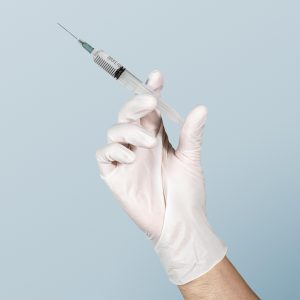
Welcome to LifetimeHRT’s injection tutorial library. These guides are designed to help patients safely and confidently self-administer prescribed injections at home.
Each tutorial includes preparation steps, injection instructions, safety tips, and best practices to support comfort and consistency. If you’re ever unsure about a step, need a refresher, or experience discomfort beyond what’s expected, please contact our team before continuing.

Always follow the dosage and schedule provided by your LifetimeHRT clinician. These tutorials are intended to support your treatment plan—not replace individualized medical guidance.
If you have questions about supplies, injection technique, or how to rotate injection sites, we’re here to help.
This step-by-step guide is designed to help you safely and confidently self-administer your testosterone injections at home. Please follow each step carefully and contact LifetimeHRT if you have any questions.
Before you begin, gather all supplies and place them on a clean, well-lit surface:
This size offers more control than a full-size syringe
Large green or pink hub – for drawing medication only
Small orange or blue hub – for injection
Tip: It’s okay to draw about 0.1 mL extra to account for the air-lock step later.
Best Injection Sites:
Clean the Area:

Do not refrigerate, as this thickens the oil and makes injections more uncomfortable.
For GLP-1 Medications and NAD+ Aqueous Solutions
Self-injecting can feel intimidating at first, but with practice, it becomes a simple part of your routine. This guide provides everything you need to know to stay safe and comfortable.
Before you begin, gather all supplies and place them on a clean, well-lit surface:
27–31 gauge; 5/16" to 1" needle
Medical bin, or a heavy-duty coffee can with a lid, or milk carton


Air Bubbles | Small “pinhead” bubbles are okay. For large bubbles, tap the syringe and push them back into the vial before removing the needle. |
Stinging | Ensure the alcohol on your skin is 100% dry before injecting. Let refrigerated medication sit out for 15 minutes to warm up. |
Bruising | This usually happens if you hit a small capillary. Rotate your sites (left side, then right side) to prevent skin irritation. |
Leakage | If a tiny drop appears after withdrawing, don’t worry. Apply light pressure with a tissue; do not rub the site. |
Safety doesn’t end with the injection. You must dispose of your needles properly to protect yourself and others.
Disposal: Check your local guidelines at SafeNeedleDisposal.org for drop-off locations in your area.
